"Jessika the Prankster" is a term used to describe a type of online prankster who uses social media to play jokes on unsuspecting individuals or groups. These pranks often involve creating fake profiles, sending embarrassing or misleading messages, or posting unflattering photos or videos. While some people find these pranks to be funny, others view them as cruel and disrespectful.
The rise of social media has led to a corresponding increase in online pranking. While some pranks are harmless and even entertaining, others can have serious consequences. For example, a prank that involves sending someone a fake death threat could lead to the victim experiencing anxiety or depression. In some cases, online pranks have even led to physical violence.
It is important to be aware of the potential risks of online pranking before engaging in this activity. If you are considering pranking someone, it is important to make sure that the prank is in good taste and will not cause any harm. It is also important to remember that pranking someone without their consent is considered to be harassment.
"Jessika the Prankster"
The term "Jessika the Prankster" has gained significant notoriety within the realm of online entertainment and social media culture. To fully grasp the essence of this phenomenon, it is imperative to dissect the various aspects that contribute to its identity and impact.
- Anonymity: The cloak of anonymity afforded by the internet empowers pranksters like "Jessika" to operate without fear of repercussion.
- Humor: While pranks can be divisive, many find amusement in the clever and often audacious tactics employed by pranksters like "Jessika".
- Harassment: The line between harmless pranks and harassment can be blurred, with some pranks causing emotional distress or reputational damage.
- Ethics: The ethical implications of online pranking are a subject of ongoing debate, with some arguing that it is a form of cyberbullying.
- Attention-Seeking: Pranksters like "Jessika" often crave attention and validation, which social media provides in abundance.
- Social Commentary: Some pranks can be seen as a form of social commentary, highlighting societal norms or challenging preconceived notions.
- Legal Implications: Depending on the severity of the prank, legal consequences may arise, including charges of harassment or defamation.
- Online Culture: "Jessika the Prankster" is a product of the evolving online culture, where anonymity and the pursuit of viral content often take precedence over ethical considerations.
In conclusion, the phenomenon of "Jessika the Prankster" encompasses a complex interplay of anonymity, humor, ethics, and the evolving nature of online culture. While pranks can provide entertainment and spark social commentary, it is crucial to strike a balance between humor and respect, ensuring that pranks do not cross the line into harassment or cause harm.
Anonymity
Anonymity plays a pivotal role in the phenomenon of "Jessika the Prankster" and online pranking in general. The internet provides a shield of anonymity, allowing pranksters to operate behind a veil of secrecy, free from the fear of immediate consequences or identification.
- Uninhibited Behavior: Anonymity emboldens pranksters like "Jessika" to engage in behavior they might otherwise refrain from in real life, as they are less concerned about social repercussions or damage to their reputation.
- Increased Risk-Taking: The cloak of anonymity can lead to a sense of disinhibition, encouraging pranksters to push boundaries and engage in more extreme or risky pranks, as they feel less accountable for their actions.
- Reduced Empathy: Anonymity can create a psychological distance between the prankster and their target, making it easier for them to rationalize their actions and downplay the potential harm caused.
- Protection from Legal Consequences: While anonymity does not guarantee immunity from legal prosecution, it can make it more difficult for authorities to identify and apprehend pranksters, especially if they take steps to conceal their online identities.
In conclusion, anonymity is a double-edged sword in the context of online pranking. While it can foster a sense of freedom and empowerment for pranksters like "Jessika," it also raises ethical concerns and can contribute to a culture of impunity, where pranksters may feel less responsible for the consequences of their actions.
Humor
Humor plays an integral role in the phenomenon of "Jessika the Prankster" and online pranking in general. Pranks often rely on humor to entertain and engage their audience, and "Jessika" has gained popularity for her clever and often audacious approach to pranking.
There are several reasons why people find humor in pranks:
- Surprise and Unexpectedness: Pranks often involve unexpected or surprising elements, which can elicit laughter and amusement.
- Cleverness and Creativity: Pranksters like "Jessika" often employ clever and creative tactics to pull off their pranks, which can be entertaining to watch.
- Schadenfreude: Some people may find humor in the misfortune or embarrassment of others, which can be a factor in the appeal of pranks.
- Social Bonding: Pranks can sometimes be a way for people to bond and connect with others, especially if they share a similar sense of humor.
However, it is important to note that humor is subjective, and what one person finds funny, another may find offensive or cruel. It is crucial for pranksters to consider the potential impact of their pranks and to ensure that they are not causing harm or distress to others.
In conclusion, humor is a key component of "Jessika the Prankster" and online pranking. Pranks can be entertaining and amusing, but it is important to approach them with caution and to consider the potential consequences.
Harassment
The phenomenon of "Jessika the Prankster" highlights the fine line between harmless pranks and harassment, raising important questions about the ethics and consequences of online pranking.
- Emotional Distress: Some of "Jessika the Prankster's" pranks have caused emotional distress to their targets, such as anxiety, depression, and humiliation. These pranks often involve public embarrassment or ridicule, which can have a lasting impact on the victim's mental health.
- Reputational Damage: Pranks can also damage a person's reputation, especially if they are widely shared or go viral. This can have serious consequences for the victim's personal and professional life, as well as their relationships with others.
- Cyberbullying: In some cases, online pranks can cross the line into cyberbullying, which is the willful and repeated harassment of someone online. Cyberbullying can have devastating effects on the victim's mental and emotional well-being.
- Legal Consequences: Depending on the severity of the prank, legal consequences may arise, including charges of harassment, defamation, or invasion of privacy. "Jessika the Prankster" has been involved in several lawsuits related to her pranks.
It is important to note that not all pranks are harmful or harassing. However, it is crucial for pranksters to be aware of the potential risks and to consider the impact of their actions on others. Pranks should be approached with caution and should never be used to cause harm or distress.
Ethics
The phenomenon of "Jessika the Prankster" has brought the ethical implications of online pranking into sharp focus. Critics argue that some of "Jessika's" pranks have crossed the line into cyberbullying, causing emotional distress and reputational damage to her targets.
- Harm vs. Humor: The primary ethical concern with online pranking is the potential for harm. While some pranks may be considered harmless and even funny, others can have serious consequences for the victim. "Jessika the Prankster" has been accused of causing emotional distress, reputational damage, and even financial loss through her pranks.
- Consent: Another ethical issue is the question of consent. Pranks that are played without the consent of the victim are generally considered to be unethical. "Jessika the Prankster" has been criticized for pranking people who were unaware that they were being filmed or recorded.
- Anonymity: The anonymity afforded by the internet can also raise ethical concerns. Pranksters like "Jessika" are able to operate behind a veil of anonymity, which can make it difficult for victims to seek recourse or hold them accountable for their actions.
- Impact on Mental Health: Cyberbullying, including online pranking, can have a significant impact on the mental health of victims. Victims may experience anxiety, depression, and other psychological problems as a result of being targeted.
In conclusion, the ethical implications of online pranking are complex and multifaceted. While some pranks may be considered harmless fun, others can have serious consequences for the victim. It is important to consider the potential impact of a prank before carrying it out, and to obtain consent from the target if possible. Anonymity should not be used as a shield to justify harmful or unethical behavior.
Attention-Seeking
The phenomenon of "Jessika the Prankster" is deeply intertwined with the concept of attention-seeking behavior. Pranksters like "Jessika" often crave attention and validation, which social media provides in abundance. This connection is evident in several ways:
- Social Media as a Platform for Attention: Social media platforms offer a vast and accessible audience for pranksters to showcase their antics. The potential for virality and widespread recognition can be a powerful motivator for attention-seeking individuals.
- Validation through Likes and Shares: Social media provides instant gratification in the form of likes, shares, and comments. Pranksters like "Jessika" thrive on the positive feedback and validation they receive from their followers, which reinforces their attention-seeking behavior.
- Addiction to Attention: The constant stream of attention and validation on social media can be addictive, leading pranksters like "Jessika" to engage in increasingly extreme or outrageous behavior to maintain their followers' engagement.
The attention-seeking behavior of "Jessika the Prankster" and other online pranksters highlights the complex relationship between social media and mental health. While social media can provide a platform for self-expression and entertainment, it can also contribute to attention-seeking behavior and other psychological issues.
Understanding the connection between attention-seeking and online pranking is crucial for addressing the potential negative consequences of this behavior. It can help individuals recognize the underlying motivations behind pranks and develop healthier ways to seek attention and validation.
Social Commentary
The phenomenon of "jessika the prankster" is often associated with humor and entertainment, but some of her pranks have also been interpreted as a form of social commentary. Through her pranks, "jessika the prankster" has shed light on various societal issues, highlighting norms and challenging preconceived notions.
One of the most notable examples of "jessika the prankster's" social commentary is her "Catcalling Experiment." In this prank, she dressed up as a man and catcalled women on the street. The prank garnered significant attention and sparked a dialogue about the prevalence of street harassment and the objectification of women in society. Through this prank, "jessika the prankster" raised awareness about a serious issue and challenged the normalization of catcalling.
In another instance, "jessika the prankster" created a fake online dating profile and went on dates with men who expressed misogynistic views. She recorded these dates and posted them on her social media channels, exposing the prevalence of misogyny in the dating scene and highlighting the need for gender equality.
While some of "jessika the prankster's" pranks have been criticized as being in poor taste or offensive, others have been praised for their ability to raise awareness about important social issues. Her pranks have sparked conversations about sexual harassment, body image, and gender stereotypes, challenging societal norms and encouraging viewers to reflect on their own biases and behaviors.
Understanding the connection between "jessika the prankster" and social commentary is important for several reasons. First, it highlights the potential of pranks to go beyond mere entertainment and serve as a tool for social change. Second, it encourages viewers to think critically about the messages and values embedded in pranks, especially those that deal with sensitive topics. Finally, it underscores the responsibility of pranksters to use their platform to promote positive messages and avoid perpetuating harmful stereotypes or behaviors.
Legal Implications
The phenomenon of "jessika the prankster" is closely intertwined with the legal implications of online pranking. "Jessika's" pranks have garnered significant attention, both for their humor and their potential to cause harm or distress to her targets.
One of the most significant legal concerns associated with online pranking is the potential for harassment charges. Harassment is defined as a course of conduct that causes emotional distress or interferes with a person's daily life. Some of "jessika the prankster's" pranks, such as her "Catcalling Experiment," have been accused of crossing the line into harassment. In this prank, "jessika" dressed up as a man and catcalled women on the street, causing some women to feel uncomfortable and harassed.
Another legal concern is defamation, which is the communication of a false statement that damages a person's reputation. "Jessika the prankster" has been involved in several lawsuits related to defamation, including one case in which she was accused of making false and defamatory statements about a former boyfriend. These lawsuits highlight the potential legal consequences that pranksters can face if their pranks cause harm to others.
Understanding the legal implications of online pranking is crucial for both pranksters and the general public. Pranksters need to be aware of the potential legal consequences of their actions and take steps to avoid causing harm or distress to others. The general public needs to be aware of the laws that protect them from harassment and defamation, and they should not hesitate to report any incidents of online pranking to the appropriate authorities.
Online Culture
The phenomenon of "Jessika the Prankster" is intricately connected to the evolving online culture that values anonymity and viral content over ethical considerations. This online culture has fostered an environment where pranksters like "Jessika" can operate with a sense of impunity, prioritizing entertainment and attention-grabbing tactics without regard for the potential consequences.
"Jessika the Prankster" has gained popularity through her outrageous and often controversial pranks, which are disseminated across social media platforms. The pursuit of viral content and the desire to accumulate followers and likes have become the driving forces behind her actions, overshadowing ethical considerations such as respect for others' privacy, safety, and well-being.
This online culture has created a distorted sense of reality, where the boundaries between harmless pranks and harmful behavior become blurred. Pranksters like "Jessika" often justify their actions as being "just for fun" or "social commentary," without acknowledging the potential impact on their targets. The anonymity provided by online platforms further emboldens them to engage in behavior that they might otherwise refrain from in real life.
Understanding the connection between "Jessika the Prankster" and online culture is crucial for addressing the ethical dilemmas posed by online pranking. It highlights the need for critical thinking and media literacy to discern between harmless entertainment and harmful content. Moreover, it underscores the importance of holding pranksters accountable for their actions and promoting a culture of respect and empathy online.
FAQs about "Jessika the Prankster"
This section addresses frequently asked questions and misconceptions surrounding the phenomenon of "Jessika the Prankster" and online pranking.
Question 1: What are the ethical implications of online pranking?Online pranking, including the actions of "Jessika the Prankster," raises ethical concerns regarding the potential for harm, harassment, and damage to reputation. Pranksters must consider the well-being of their targets and avoid causing distress or endangering others.
Question 2: How does anonymity contribute to the rise of online pranking?Anonymity provides pranksters with a false sense of security and detachment from the consequences of their actions. It can embolden them to engage in behavior they would not otherwise consider, blurring the lines between harmless pranks and harmful conduct.
Question 3: What legal risks are associated with online pranking?Depending on the severity of the prank, legal consequences may arise, including charges of harassment, defamation, or invasion of privacy. Pranksters should be aware of these legal implications and avoid engaging in activities that could result in legal repercussions.
Question 4: How does online pranking impact mental health?Online pranking can have significant mental health implications for both the targets and the pranksters themselves. Victims may experience anxiety, depression, or reputational damage, while pranksters may develop a distorted sense of reality and an addiction to attention-seeking behavior.
Question 5: What is the role of social media in the popularity of online pranking?Social media platforms provide a vast audience and instant gratification for pranksters, encouraging them to push the boundaries of acceptable behavior in pursuit of likes, shares, and followers. This can lead to a culture of sensationalism and a disregard for ethical considerations.
Question 6: How can we address the negative aspects of online pranking?Addressing the negative aspects of online pranking requires a multifaceted approach. Education and awareness campaigns can promote ethical behavior and discourage harmful pranks. Social media companies can implement stricter guidelines and reporting mechanisms. Additionally, legal consequences should be enforced to deter individuals from engaging in illegal or unethical pranking activities.
In conclusion, understanding the ethical, legal, and social implications of online pranking is crucial for fostering a responsible and respectful online environment. By addressing these concerns, we can mitigate the potential harms and promote the positive aspects of humor and entertainment online.
Transition to the next article section:
Tips for Responsible Online Pranking
While online pranking can be a source of entertainment, it is important to approach it with responsibility and respect for others. Here are five tips to help ensure your pranks are harmless and enjoyable for all:
Tip 1: Obtain Consent
Always ask for consent from your target before pranking them. This ensures that they are comfortable with the prank and that it will not cause any distress or harm.
Tip 2: Avoid Harassment and Defamation
Pranks should never involve harassment, defamation, or any form of illegal activity. Respect the boundaries of your target and avoid actions that could cause emotional distress or damage their reputation.
Tip 3: Prioritize Safety
Ensure that your pranks do not put your target or others at risk. Avoid pranks that could cause physical harm, property damage, or interfere with their daily lives.
Tip 4: Use Humor Appropriately
Humor should be the primary focus of your prank. Avoid using offensive or hurtful language or engaging in pranks that could be perceived as cruel or malicious.
Tip 5: Be Respectful of Privacy
Do not share personal information or private conversations without the consent of the individuals involved. Respect the privacy of your target and avoid pranks that could compromise their confidentiality.
Summary
By following these tips, you can engage in online pranking responsibly and minimize the potential for harm or offense. Remember that the goal of pranking should be to bring laughter and entertainment, not to cause distress or damage to others.
Conclusion
Online pranking can be a fun and harmless activity when approached with the right mindset and consideration for others. By adhering to these guidelines, you can ensure that your pranks are enjoyable and respectful, fostering a positive and responsible online environment.
Conclusion
The phenomenon of "jessika the prankster" has brought to light important discussions on the ethics, legal implications, and social impact of online pranking. While pranks can provide entertainment, it is crucial to prioritize the well-being of others and operate within the boundaries of respect and consent.
As the online world continues to evolve, it is imperative that we navigate the realm of pranking with responsibility and critical thinking. By promoting ethical behavior, holding pranksters accountable for their actions, and fostering a culture of empathy, we can ensure that humor and entertainment online do not come at the expense of others' safety, dignity, or privacy.
Unveiling The Truth: Exploring Julia Stiles' Gender Identity
Unlocking The Secrets: Discover Kamiya Jani's Financial Empire
Unveiling The Multifaceted Legacy Of Crime And Justice Advocate Philippa Hart
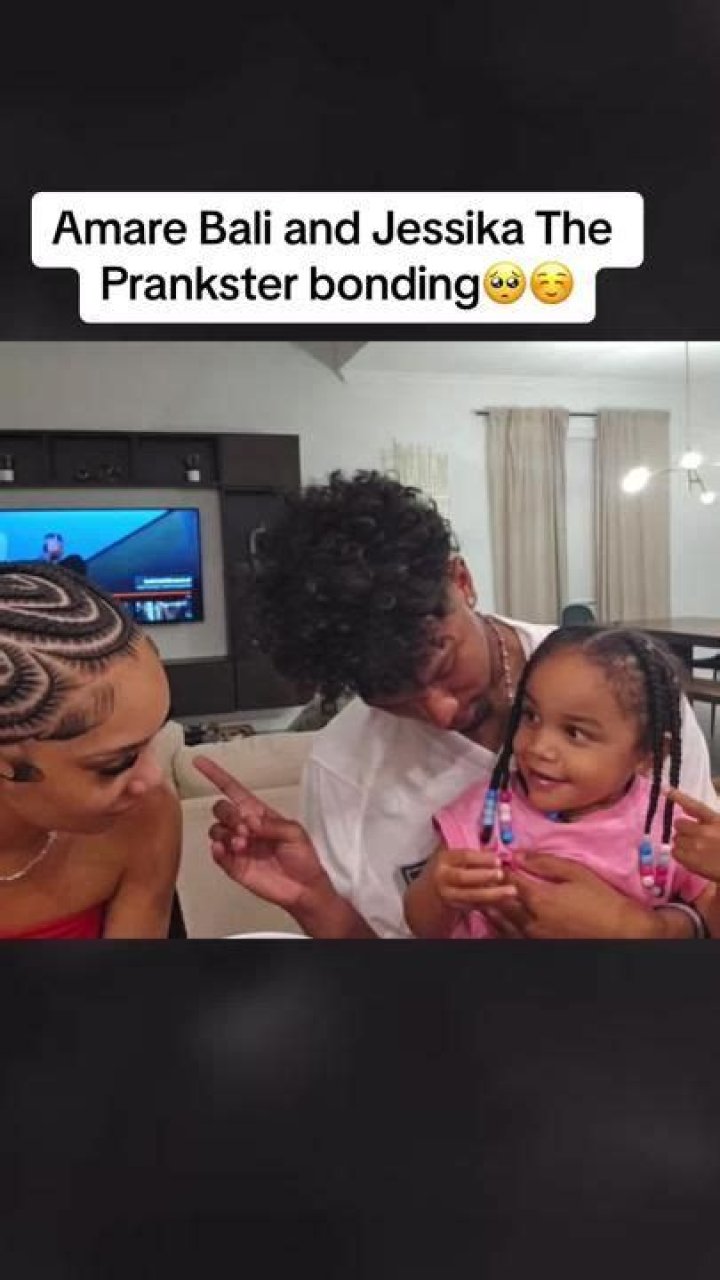
Jessika the Prankster Bio Age, Wiki, Net worth, Height, Biography

Jessika the Prankster Height, Weight, Age, Facts, Biography
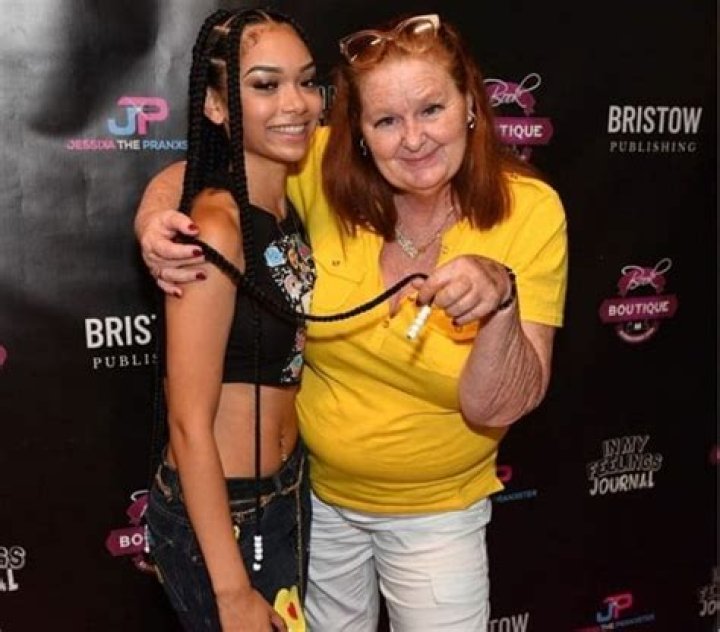
Jessika The Prankster Age, Net Worth, Boyfriend, Family, Height and